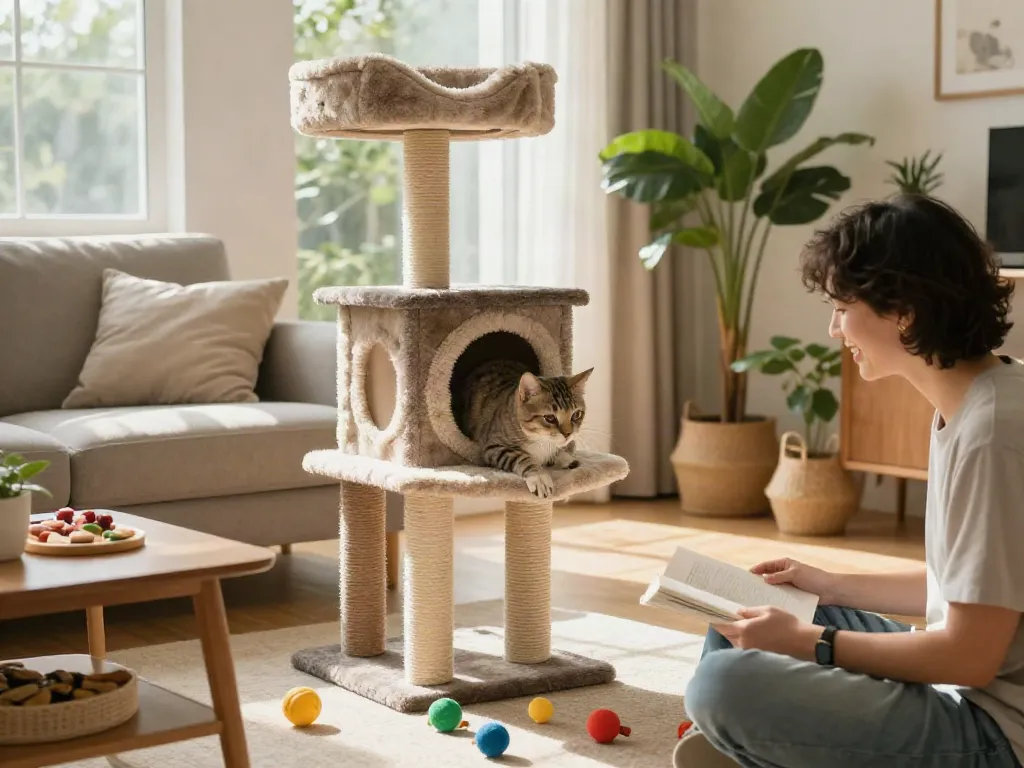
Understanding the Importance of Cat Trees for Your Feline Friends
As a devoted cat owner, you may have noticed that your feline friend exhibits a natural inclination to climb, perch, and explore vertical spaces. This innate behaviour stems from their ancestral instincts, which encourages them to seek higher ground for both safety and play. Enter the cat tree, an essential piece of furniture designed not only for your cat’s entertainment and comfort but also for their health and well-being. A well-constructed cat tree offers the perfect environment for your cat to fulfil these instincts, providing numerous benefits that can enhance their overall quality of life.
Why Your Cat Needs a Cat Tree?
Cats by nature are curious creatures that thrive in environments that stimulate their senses. A cat tree serves multiple purposes, fulfilling both physical and psychological needs. For instance, climbing helps exercise their muscles and joint flexibility, while scratching surfaces promote healthy claws. Offering your cat a designated space to explore and relax can lead to reduced anxiety and increased happiness.
Benefits of Vertical Space for Cats
Incorporating vertical elements into your cat's habitat can greatly enhance their living space. Unlike horizontal spaces, which may feel limiting, vertical spaces provide cats with a sense of security and control. Here are some key benefits:
- Exercise and Fitness: Climbing engages various muscle groups, helping to maintain your cat’s physical health.
- Stress Relief: Elevated perches can serve as a safe haven for shy or anxious cats, allowing them to observe their surroundings from a safe distance.
- Reduced Behavioural Issues: Providing appropriate outlets for natural behaviours can decrease destructive tendencies, such as scratching furniture or excessive vocalisation.
Common Misconceptions about Cat Trees
Many cat owners may believe that cat trees are merely a luxury rather than a necessity. However, it is crucial to dispel this myth. Not only do cat trees provide enjoyment, but they also play a significant role in behavioural enrichment and physical activity. Furthermore, some may underestimate the variety of designs available, assuming that cat trees are bulky and unattractive. In reality, the market has evolved, offering numerous styles that suit different decors and spaces.
Choosing the Right Cat Tree for Your Home
When selecting the ideal cat tree, it’s important to consider various factors that cater to your cat's needs as well as your living space. Here are some essential aspects to keep in mind:
Factors to Consider When Buying a Cat Tree
Before making a purchase, evaluate the following:
- Size and Height: Consider your cat’s size and preference for climbing. Taller trees are often preferred by adventurous cats.
- Stability: Ensure the cat tree is sturdy and won’t tip over if your cat jumps or climbs.
- Material Quality: Look for durable materials that can withstand scratching and climbing.
Material and Design Options Available
The market offers an extensive range of materials for cat trees, including wood, particleboard, and plush fabrics. Wooden trees tend to be more durable and aesthetically pleasing, while plush options can provide comfort and warmth. Furthermore, designs now incorporate modern elements that blend seamlessly with home decor, from minimalist styles to vibrant colours.
How to Align Cat Trees with Your Home Decor
Choosing a cat tree doesn’t mean sacrificing your home’s aesthetic. Many manufacturers now create stylish cat trees that complement various interior designs. Opt for neutral colours or chic patterns that suit your existing decor. Also, consider the placement of the tree in relation to other furniture to ensure harmony within your space.
Setting Up Your Cat Tree for Maximum Engagement
Once you’ve selected the perfect cat tree, the next step is to set it up in a way that maximises its utility and engagement for your cat. Here are some tips for optimal setup:
Optimal Placement of Cat Trees in Your Home
Position your cat tree in a location that offers both visibility and comfort. Cats enjoy observing their surroundings, so placing the tree near a window can provide them with an entertaining view of the outside world. Additionally, ensure the tree is in a quiet area away from high traffic zones, allowing your cat to retreat and relax.
Incorporating Toys and Scratching Posts
Enhance your cat tree's functionality by integrating toys and various scratching surfaces. Many modern cat trees come equipped with dangling toys, sisal-covered posts, and even interactive elements like tunnels. Regularly rotate toys to keep the environment stimulating and engaging for your feline.
Creating a Stimulating Environment for Your Cat
A stimulating environment goes beyond the cat tree itself. Consider adding other elements such as wall-mounted shelves or climbing features that encourage exploration. Also, provide interactive toys, behaviour puzzles, and hiding spots to keep your cat mentally engaged.
Maintaining and Caring for Your Cat Tree
To ensure longevity and hygiene, regular maintenance of your cat tree is essential. Here are some tips:
Cleaning Tips for Cat Trees
Frequent cleaning can prevent the buildup of dirt and allergens. Use a vacuum cleaner to remove fur and debris from fabric surfaces, and spot-clean with a damp cloth for tougher stains. Ensure to check for any hidden crumbs or litter that may accumulate in the crevices.
When to Replace or Upgrade Your Cat Tree
Over time, wear and tear on a cat tree is inevitable. Signs that it’s time for an upgrade include sagging platforms, frayed scratching posts, or instability. Regularly inspect your tree to determine its condition and replace it when necessary to ensure your cat's safety.
Signs of Wear and Tear to Watch For
Monitor your cat tree for specific signs, such as loose bolts, wobbly bases, or excessive scratching damage. If your cat seems hesitant to use the tree or if you notice physical damage that compromises its stability, it may be time to consider a new cat tree altogether.
Future Trends in Cat Tree Designs and Technology
The cat tree industry is evolving with innovations that cater to both pet comfort and owner aesthetics. Here’s what to look forward to:
Innovative Designs for 2026 and Beyond
Expect to see more multifunctional cat trees that serve as storage units or stylish furniture pieces. Designs featuring sleek lines and modern finishes will cater to the design-conscious cat owner, merging style with functionality.
Smart Cat Trees: What to Expect
With the rise of smart homes, cat trees integrated with technology will become more prevalent. Features such as built-in cameras to monitor your pet, automated toys, and even app-controlled climbing options are on the horizon.
Eco-friendly Materials and Sustainability Trends
As sustainability becomes a priority for consumers, manufacturers are focusing on eco-friendly materials. Expect cat trees made from recycled materials or sustainably sourced wood, contributing to a greener planet while providing a safe space for your pets.
How Do Cat Trees Contribute to Your Cat’s Wellbeing?
Cat trees are crucial for promoting a cat's mental and physical well-being. They provide essential platforms for exercise, help reduce stress, and meet the natural instincts of climbing and scratching. This balance of physical activity and mental engagement can lead to healthier, happier cats.
What Are the Best Cat Trees for Multiple Cats?
For households with multiple cats, look for large, multi-level cat trees that can accommodate various activities. Models with several perches and scratching posts can reduce competition and encourage sharing, providing ample space for all your feline friends.
How to Encourage Your Cat to Use a New Cat Tree?
Introduce your cat to the new tree gradually. Use treats or toys to lure them onto the platforms. Establishing a positive association with the cat tree will encourage them to use it more frequently. Also, placing familiar items like blankets or toys on the tree can make it more appealing.
What Size Cat Tree Should You Choose for Your Space?
The size of the cat tree should reflect both your cat’s size and your available space. Ensure that it's proportionate to your cat; larger breeds may require bigger trees with more robust structures. Additionally, consider the layout of your home to find a suitable location for the tree without overcrowding your space.
Are Cat Trees Necessary for Indoor Cats?
Even indoor cats require vertical spaces to climb and explore. While they may not face the same threats as outdoor cats, the absence of stimulation can lead to behavioural issues. A cat tree can provide essential enrichment, making life more enjoyable for indoor cats.