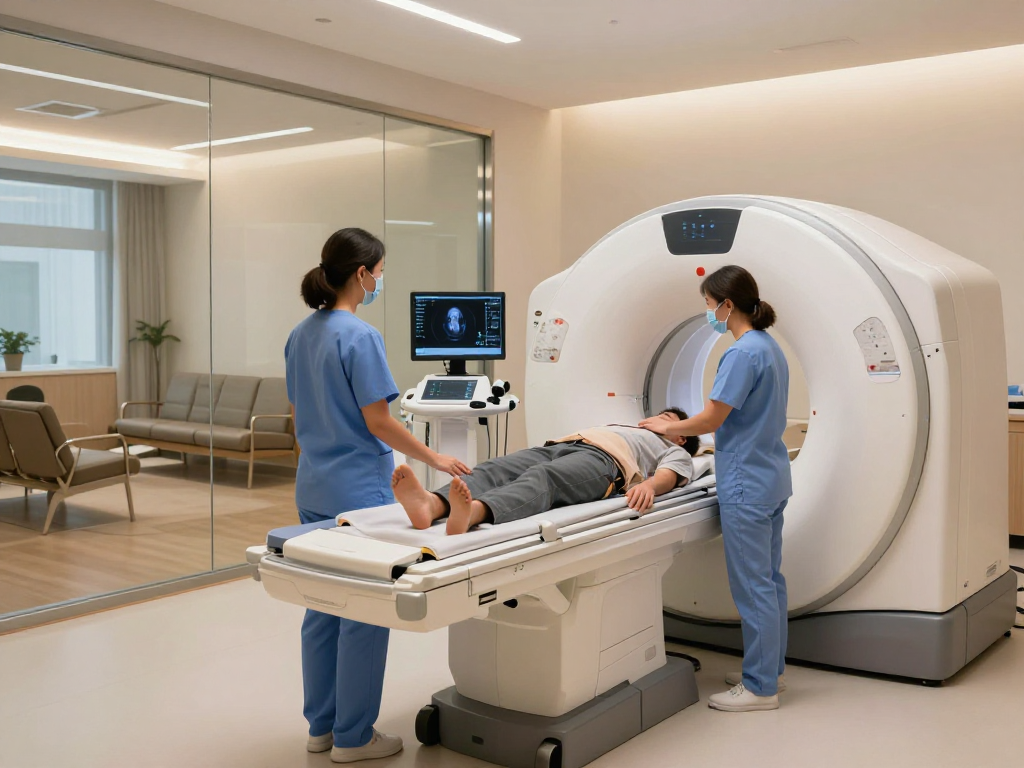
Understanding Imaging Techniques at Cleveland Clinic Abu Dhabi
The Cleveland Clinic Abu Dhabi imaging department stands at the forefront of modern medicine, employing cutting-edge imaging technologies that enhance patient diagnosis and treatment outcomes. With a commitment to providing exceptional care, this department utilizes various imaging techniques to deliver accurate and timely results, catering to a diverse patient population. In this section, we will delve into the key imaging services offered, the impact of these techniques on patient diagnosis, and the paramount benefits of advanced imaging technologies in enhancing healthcare delivery.
What are the Key Imaging Services Offered?
At Cleveland Clinic Abu Dhabi, the imaging department provides a comprehensive range of services designed to support physicians in diagnosing and managing various health conditions. Some key imaging services include:
- Magnetic Resonance Imaging (MRI): Utilizing strong magnets and radio waves to create detailed images of organs and tissues.
- Computed Tomography (CT): Combining X-ray images taken from different angles to produce cross-sectional images of bones and soft tissues.
- Ultrasound: Employing high-frequency sound waves to visualize internal organs and structures without the use of ionizing radiation.
- X-ray: The foundational imaging technique, primarily used for diagnosing fractures and infections.
- Fluoroscopy: Real-time imaging that allows healthcare professionals to view moving body structures and functions.
How Imaging Techniques Impact Patient Diagnosis?
The advanced imaging techniques employed at Cleveland Clinic Abu Dhabi significantly impact patient diagnosis by providing high-resolution images that facilitate early detection and treatment of diseases. For instance:
- Enhanced Detection: MRI scans can detect abnormalities in soft tissues, such as tumors or nerve damage, that may not be visible through other imaging methods.
- Minimally Invasive Procedures: Imaging guidance allows for precise execution of minimally invasive procedures, reducing recovery time and improving patient safety.
- Comprehensive Assessment: Using CT scans for comprehensive evaluations enables healthcare providers to assess the extent of diseases, such as cancers, effectively.
Benefits of Advanced Imaging Technologies at Cleveland Clinic Abu Dhabi
Leveraging the latest advancements in imaging technology, Cleveland Clinic Abu Dhabi offers numerous benefits that enhance patient care. Some notable advantages include:
- Improved Accuracy: High-resolution images lead to more accurate diagnoses, ensuring that patients receive the appropriate treatment promptly.
- Faster Results: Advanced imaging techniques can significantly reduce the time it takes to analyze images, expediting the decision-making process for physicians.
- Patient Comfort: State-of-the-art imaging facilities are designed for patient comfort, with technology that minimizes the inconvenience and anxiety associated with diagnostic procedures.
Innovative Technologies Used in Imaging Departments
Latest Equipment and Their Functions
Cleveland Clinic Abu Dhabi invests heavily in the latest imaging technologies to ensure the highest standards of diagnostic accuracy and patient safety. Some of the latest equipment includes:
- 3 Tesla MRI Scanners: These provide superior image quality and faster imaging times, enabling more detailed examinations.
- Dual-Energy CT Scanners: This innovative technology allows for more accurate differentiation of materials in tissues and facilitates improved diagnoses of complex conditions.
- Digital X-ray Systems: Offering immediate access to images and enhanced diagnostic capabilities, these systems lower patient radiation exposure.
Integration of AI in Diagnostic Imaging
Artificial intelligence (AI) is revolutionizing diagnostic imaging at Cleveland Clinic Abu Dhabi by improving diagnostic accuracy and operational efficiency. AI algorithms can analyze imaging data at speeds faster than human radiologists, providing preliminary readings that assist in the decision-making process. For example, AI can assist in identifying patterns indicative of diseases, thereby enhancing early detection rates.
Future Trends in Imaging Technology for 2026
As we look towards 2026, the imaging department at Cleveland Clinic Abu Dhabi is poised to embrace several future trends in imaging technology:
- Enhanced Imaging Modality: Continued advancements in imaging modalities will provide even clearer insights into human anatomy and pathology.
- Tele-imaging: The rise of telemedicine will expand the capabilities of imaging services, allowing for remote analyses and consultations.
- Portable Imaging Technology: Innovations in mobile imaging will make diagnostic capabilities accessible in a wider range of settings, including remote and underserved areas.
Improving Patient Experience through Efficient Imaging Workflows
Streamlined Patient Processing Procedures
Efficiency in the imaging department is critical in enhancing patient experience. Cleveland Clinic Abu Dhabi employs streamlined patient processing procedures that minimize wait times and maximize comfort. This includes pre-appointment preparation and clear communication about what patients can expect during their imaging sessions.
Enhancing Communication within the Imaging Department
Effective communication is vital for optimal patient care within the imaging department. Regular meetings among imaging professionals ensure that all members are aligned and informed about departmental updates, new technologies, and changes in patient care protocols.
Patient Feedback: Driving Continuous Improvement
Patient feedback is invaluable in refining services within the imaging department. Conducting regular surveys and incorporating patient insights into practice helps Cleveland Clinic Abu Dhabi meet and exceed patient expectations, ultimately leading to better health outcomes.
Best Practices for Radiologists in Imaging Departments
Essential Skills and Training for Radiology Professionals
Radiologists at Cleveland Clinic Abu Dhabi are required to maintain a high level of expertise through continuous education and specialized training. Skill development in interpreting complex imaging, knowledge of the latest technologies, and patient communication are essential components of effective practice.
Maintaining High Standards of Patient Safety
Patient safety remains a top priority in the imaging department. Rigorous safety protocols, including staff training on radiation exposure and regular equipment maintenance, ensure that patients receive care in a safe environment.
Effective Collaboration with Other Medical Departments
Collaboration between radiologists and other medical professionals is crucial for comprehensive patient care. By working closely with referring physicians, surgeons, and specialists, radiologists can provide valuable input that helps guide treatment decisions.
The Future of Imaging in Healthcare
Predictions for Imaging Advancements by 2026
Looking ahead, it is anticipated that imaging technologies will become even more integrated with patient care pathways. With advancements in 3D imaging and virtual reality, patients will benefit from improved preoperative planning and enhanced treatment simulations.
How Telemedicine is Changing Imaging Services
Telemedicine is set to transform imaging services by enabling remote consultations and second opinions. This shift allows patients to access specialists without the need for travel, thereby increasing convenience and reducing delays in diagnosis.
Impact of Policy Changes on Imaging Practices
As healthcare policies evolve, they will significantly affect imaging practices. Changes in insurance coverage, regulations regarding radiation safety, and data privacy laws will shape how imaging departments operate, emphasizing the need for adaptability and compliance.
What are the typical procedures performed in the imaging department?
The imaging department commonly performs various diagnostic procedures, including MRI, CT scans, ultrasounds, and X-rays, depending on the patient's clinical needs.
How can patients prepare for their imaging appointments?
Patients can prepare for their imaging appointments by following specific instructions provided by their healthcare provider, such as fasting before certain procedures or wearing comfortable clothing.
What role does technology play in enhancing imaging accuracy?
Technology enhances imaging accuracy by providing high-resolution images, utilizing advanced algorithms for analysis, and integrating AI to assist radiologists in detecting abnormalities.
Why is patient experience important in imaging departments?
Patient experience is crucial as it directly influences patient satisfaction, compliance with recommended procedures, and overall trust in the healthcare system.
How to ensure data security in patient imaging records?
To ensure data security in patient imaging records, it is essential to implement robust encryption, adhere to strict access controls, and conduct regular audits of data management practices.